Fundacja Polskie Serce – Polish Heart Foundation

General Anders’ Army

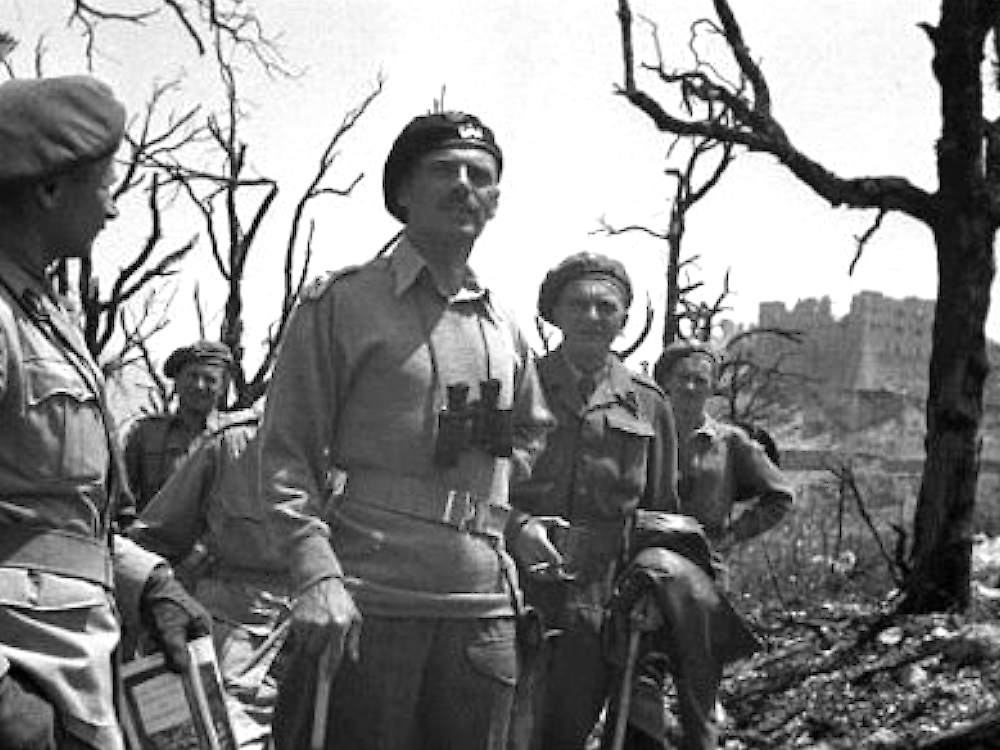
General Władysław Anders in front of the ruined monastery on Monte Cassino, May 1944.

The General Anders Army, also known as the Second Polish Corps, was a military formation created by General Władysław Anders during the Second World War. This army consisted mainly of Polish soldiers who had previously been interned by the USSR as a result of the Molotov-Ribbentrop Pact.

After the German attack on the Soviet Union in 1941, the Soviet authorities agreed to the formation of Polish military formations under the command of General Anders. General Anders’ Army was formed in the USSR, mainly in camps in Uzbekistan and Kazakhstan.

The army included soldiers who had previously fought in Polish formations during the 1939 September campaign, as well as those who had been arrested by the Soviets following the invasion of Poland. General Anders’ army numbered around 75,000 soldiers and was subordinate to the Polish government-in-exile.

The aim of the Anders army was to prepare forces to fight alongside the Western Allies against the Nazi regime. However, due to difficulties and delays in the evacuation of Polish troops from the USSR, the corps did not take part in direct combat against the Germans in Europe.

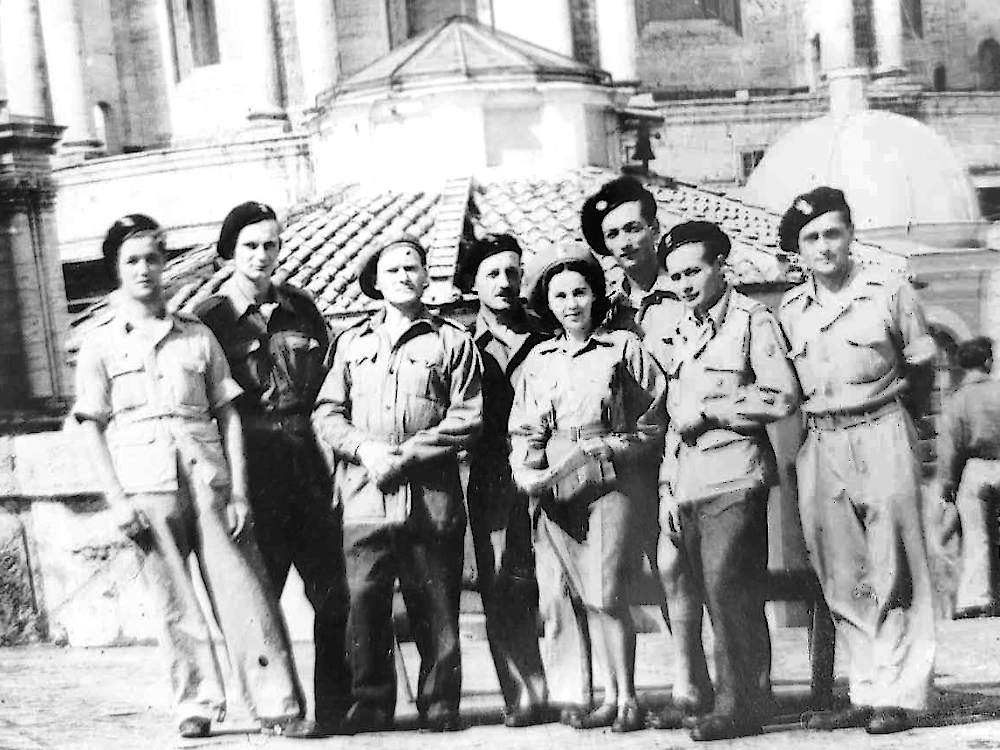
7th Anti-Armour Artillery Regiment, General Anders' Army Rome 1944
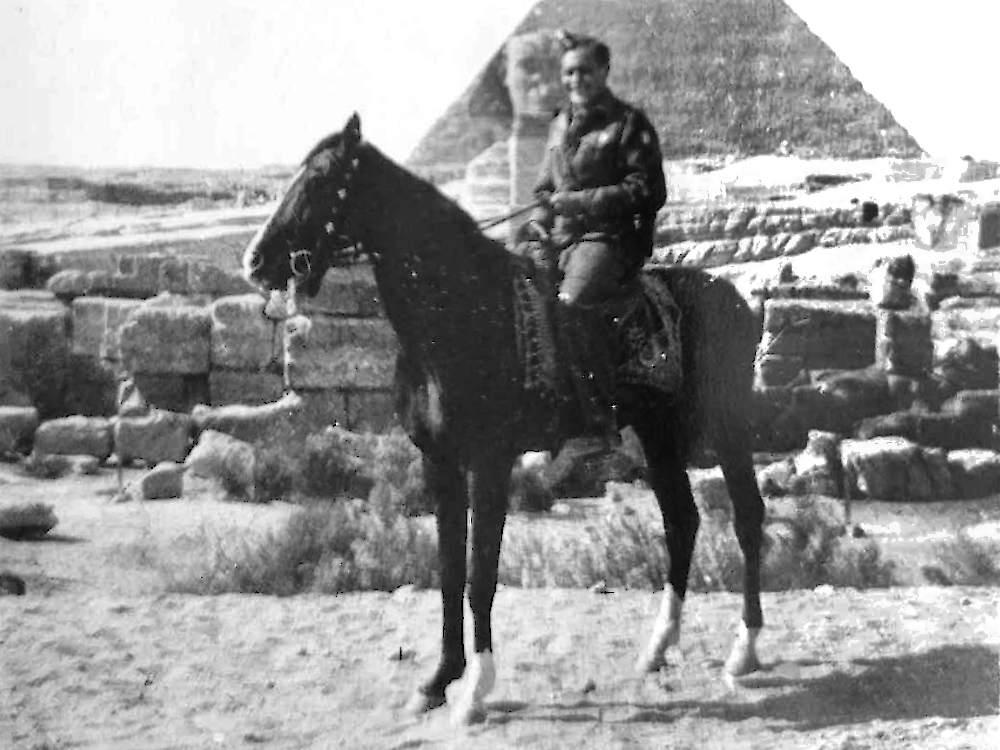
7th Anti-Tank Artillery Regiment Corporal Gustaw Slepokóra, December 1943 Egypt

In 1942, General Anders’ Army was transported to Persia (now Iran) and then to Palestine, where it received training and preparations for further warfare. In 1943, the corps was sent to fight in the Italian campaign, taking part in the Battle of Monte Cassino and other operations in the Apennine region.

After the end of the war, the soldiers of General Anders’ Army, who did not choose to return to Poland under the communist regime, remained in exile, mainly in Great Britain. Many of them settled permanently in various countries, and their fate and contribution to Polish history is still remembered and appreciated today.

General Anders’ Army participated in numerous campaigns and operations during the Second World War.

Key events and the course of action of this formation:

  1. Creation and evacuation: In 1941, after the German attack on the Soviet Union, General Wladyslaw Anders received permission to create Polish military formations. General Anders’ Army was formed in the USSR in internment camps. In 1942, the evacuation of Polish soldiers from the USSR to Persia (now Iran) via the so-called Persian Route began.


  2. Preparations in Persia and Palestine: Upon arrival in Persia, the army soldiers were moved to camps and began reorganising and training. Then, in 1943, General Anders’ Army was moved to Palestine, where it continued to train and prepare for combat operations.


  3. Italian Campaign: In 1943, General Anders’ Army was sent to the Italian front, where it took part in the Battle of Monte Cassino, one of the fiercest battles of the war. After the capture of Monte Cassino, Polish troops took part in further operations in the Apennine region.


  4. March on Rome: In May 1944, General Anders’ Army began its march on Rome, working in conjunction with other Allied formations. On 20 June 1944, the corps reached Rome and took part in a parade of Allied troops through the centre of the city.


  5. The end of hostilities: After the capture of Rome, Polish troops continued fighting on the Italian front. In May 1945, following the surrender of Germany, the troops were transferred to the occupation zone in northern Italy. In July 1945, the British authorities handed over command of the Polish troops to the Red Army.


  6. Settlement in exile: After the end of the war, many soldiers of General Anders’ Army decided to remain in exile, mainly in the United Kingdom. They formed Polish communities and continued their political and social activities for the Polish nation.

The actions of General Anders’s Army, although they did not bring direct victory on the battlefield, were of great significance for the Polish nation and shaped Polish history during World War II. The soldiers of this army fought not only for Poland’s freedom, but also for the honour of the Polish arms.